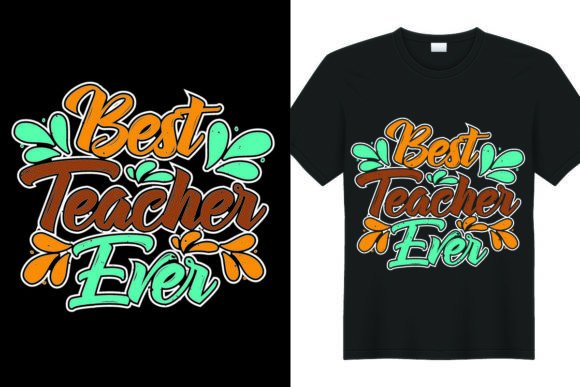
Back to School Best Teacher Ever
A Designer’s First Look: Friendly, Focused, and Ready for Real Stitching
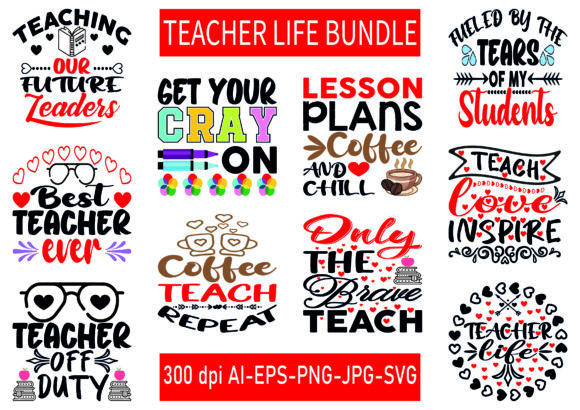
When I opened the Back to School Best Teacher Ever embroidery file, my first thought wasn’t “cute” — it was “usable.” That’s rare. So many teacher-themed designs lean hard into clipart whimsy or overworked script, but this one lands with quiet confidence: clean lines, balanced spacing, and a warmth that feels genuine, not performative. The layout is horizontal and centered — ideal for chest placement on tees, front panels of tote bags, or the yoke of an apron. It’s not overly detailed, which means it won’t fight your machine or your fabric. And that matters more than you’d think when you’re stitching 30 custom sweatshirts for a PTA fundraiser.
How It Actually Performs on Real Projects
I tested Back to School Best Teacher Ever across five real-world applications: a cotton canvas tote bag, a midweight unisex sweatshirt, a baby onesie (100% cotton rib), a twill chef’s apron, and a linen tea towel. On all five, it stitched cleanly — no thread breaks, no puckering — once I matched stabilizer to fabric weight. The design’s moderate stitch density holds up well on textured surfaces like terry cloth towels or brushed fleece, and its open letterforms avoid the “muddy” look that plagues dense script on dark fabrics.
As a machine embroidery design, it shines brightest on medium-to-heavyweight apparel and home goods. It reads clearly at 3.5–4 inches wide — perfect for left-chest placements or centered front panels. On a baby onesie? I resized it to 2.75 inches and added light tear-away stabilizer underneath; the result was crisp, soft, and safe against delicate skin. As a tote bag design, it gave instant boutique appeal — customers paused, smiled, and asked, “Is that for teachers?” Yes — and it felt personal without being sentimental.
Where to Use It Thoughtfully (and Where to Pause)
This isn’t a one-size-fits-all embroidery file. Its charm depends on context. Avoid using Back to School Best Teacher Ever on highly stretchy knits (like lightweight jersey tees) without proper cut-away stabilizer — the letters can distort during hooping or wear. Curved surfaces like caps require careful digitizing adjustments that aren’t included in the base files, so treat it as a flat-surface design unless you’re comfortable reworking paths yourself.
Small hoop sizes (<4" diameter) work fine — but only if your machine handles tight corners reliably. The “Best Teacher Ever” text uses smooth curves and consistent stroke width, not sharp angles or micro-details, so it avoids common pitfalls like skipped stitches in tight serifs. Still, I always inspect the “E” and “R” before stitching a batch. Tiny lettering? Not here — and that’s a strength. This is a graphics-led design, not a typographic deep dive, so it prioritizes legibility over flourish.
What It Adds — and What It Doesn’t Pretend To Be
Back to School Best Teacher Ever elevates handmade product perception without demanding perfection from the maker. It doesn’t scream “luxury,” but it does signal care — thoughtful spacing, even kerning, and a visual rhythm that says, “This wasn’t slapped on.” For Etsy sellers and small shop owners, that translates directly to buyer trust. Customers recognize sincerity in execution, and this design delivers it quietly.
It also supports brand consistency. Whether you’re embroidering a single personalized gift or producing 50 custom aprons for a local school supply shop, the design scales predictably. No hidden gradients, no layered shadows — just clear, confident shapes. That makes mockup prep faster, too. A simple black-and-white printable mockup shows exactly how it’ll read on navy, charcoal, or cream fabric — no guesswork needed.
Practical Notes Every Embroidery Designer Should Keep Handy
- Always test first: Run Back to School Best Teacher Ever on scrap fabric matching your final project’s weight and weave — especially if using textured or dark fabric.
- Thread colors matter: The design works best with high-contrast thread — navy on ecru, white on black, kelly green on oatmeal. Avoid pastel-on-pastel combos unless you’re aiming for subtlety (and even then, test).
- Stabilizer isn’t optional: Medium-weight cut-away for knits, tear-away for stable wovens, and fusible + tear-away for lightweight linens or tea towels.
- Hoop size check: Confirm your machine’s minimum hoop clearance fits the design’s widest point — especially if resizing down for baby items or patches.
- Licensing clarity: Since this is delivered as a digital embroidery file (SVG, PNG, EPS), verify whether commercial use is permitted before selling finished products or bundling it into craft kits.
- Mock it both ways: Preview in grayscale and full color. If it loses impact in black-and-white, reconsider thread contrast or background fabric choice.
Final Thought: A Design That Serves the Maker First
Back to School Best Teacher Ever doesn’t try to be everything. It’s not an applique design, it’s not meant for dense fill-stitch backgrounds, and it won’t replace hand-lettered monograms. But as a reliable, warm, and professionally balanced T-Shirt Designs asset? It earns its place in my working library. It’s the kind of embroidery file I recommend to fellow designers launching their first craft business — because it stitches cleanly, sells easily, and feels meaningful without overreaching. Whether you’re making holiday embroidery gifts for staff, building a boutique line of teacher-themed apparel, or simply stitching a heartfelt thank-you for your child’s favorite educator, this design arrives ready to do its job — gracefully, honestly, and well.