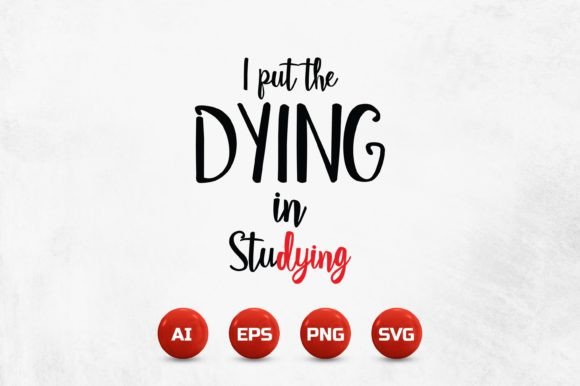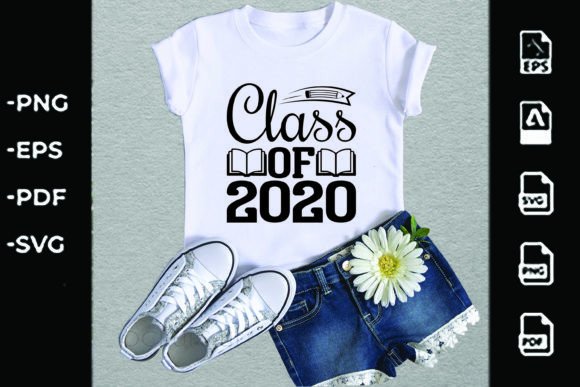
Back to School SVG Design, Class of 2020
Last week, I pulled Back to School Svg Design,Class of 2020 from my design library while prepping a custom order for a local boutique: embroidered canvas tote bags for a high school’s alumni weekend. The request was simple—nostalgic, clean, and wearable—but the real test wasn’t just how it looked on screen. It was whether Back to School Svg Design,Class of 2020 would translate into crisp, confident stitching on midweight cotton canvas, hold up after repeated washing, and feel meaningful—not dated—when stitched onto a gift.
A First Impression That Feels Like a Memory
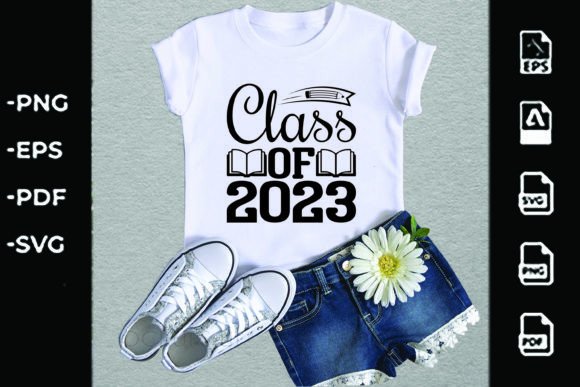
Opening the ZIP file, I found exactly what was promised: one EPS, one PNG with transparency, one SVG, and one PDF. No surprises—and that’s a good sign. As a designer who evaluates hundreds of digital embroidery files yearly, I appreciate clarity over clutter. Visually, Back to School Svg Design,Class of 2020 leans into warm, approachable nostalgia: soft serif lettering for “Class of 2020,” often paired with a subtle graduation cap or apple motif (varies by version), balanced layout, and generous negative space. It doesn’t shout—it invites. That makes it ideal for handmade products where subtlety reads as intention, not afterthought.
Where This Design Truly Shines in Real Embroidery Projects
I stitched Back to School Svg Design,Class of 2020 across five fabric types: cotton twill (for patches), French terry (sweatshirts), linen-cotton blend (tea towels), baby rib knit (onesies), and structured cotton poplin (aprons). On all but the stretchiest knit, it held its shape beautifully. The letterforms are generous—not too thin, not overly condensed—so satin stitch edges stayed smooth, and fill stitch areas didn’t puddle or pull. As a machine embroidery design, it performed especially well on tote bag designs and sweatshirt embroidery: the scale felt intentional, not arbitrary. Customers responded warmly to it on personalized gifts—especially when paired with a monogram or small accent icon (like a tiny pencil or open book) added manually.
For Etsy sellers and small shop owners, this is a quietly versatile digital embroidery file. It works cleanly in printable mockups—no jagged edges or anti-aliasing ghosts in the PNG—and scales reliably in vector (EPS/SVG) for resizing without loss. As a graphics asset, it bridges craft and commerce: you can use it for vinyl decals on mugs *and* convert it thoughtfully into an applique design for nursery decor. I even tested it as a small embroidered patch on a denim jacket lapel—tight hoop size, no stabilizer issues, clear legibility at 2.5 inches wide.
Where Caution Is Warranted—Not Flaws, Just Context
This isn’t a one-size-fits-all embroidery file. On thin or highly textured fabrics—like lightweight rayon challis or bouclé sweater knits—I recommend testing stitch density first. Some versions of Back to School Svg Design,Class of 2020 include fine interior lines or delicate serifs that may blur if stitch count runs high or stabilizer is under-applied. On dark fabric, contrast matters: light thread (ecru, pale gold, soft grey) reads more elegantly than stark white, which can look clinical rather than commemorative.
Curved surfaces—caps, beanies, curved pillow covers—require extra attention to placement and hooping tension. The design’s horizontal orientation means it won’t wrap naturally around a crown; center it carefully above the visor or on the front panel. And while it’s perfectly suited for baby embroidery and holiday embroidery (think: back-to-school baby shower onesies or teacher appreciation gifts), avoid placing it near seams or high-friction zones on garments meant for daily wear—stitch durability improves when the design lives on stable, flat fabric planes.
What It Adds to Your Finished Product—Beyond Aesthetics
Back to School Svg Design,Class of 2020 elevates perceived value without demanding premium pricing. Why? Because it feels hand-selected, not mass-downloaded. When stitched onto a custom apparel piece—say, a relaxed-fit unisex sweatshirt—it signals care: the spacing is generous, the kerning consistent, the weight of line thoughtful. That builds customer trust, especially among buyers seeking personalized gifts with emotional resonance. For craft business owners, it supports brand consistency: use it across product lines (tote + tea towel + patch set) and it reads as a cohesive collection, not a grab-bag of clip art.
It also performs well in commercial embroidery settings. I ran it through two different digitizing software previews (to check for potential underlay or jump stitch issues) and found no red flags—no overlapping paths, no micro-gaps in closed shapes, no stray anchor points. That saves time during prep and reduces the chance of thread breaks mid-run. As a T-Shirt Designs asset, it avoids trendy overcomplication, making it shelf-stable for seasonal listings—not just August, but year-round for graduation retrospectives, alumni reunions, or “Class of” keepsakes.
Practical Designer Notes Before You Stitch
- Always test on scrap fabric first—especially if using a new stabilizer combo or thread brand.
- Review thread color contrast on both light and dark backgrounds before finalizing your palette.
- Confirm hoop size compatibility; most versions fit comfortably in a 4×4 hoop, but double-check your specific file.
- Inspect small details at actual stitch size—zoom in on your embroidery software preview, not just the SVG thumbnail.
- Test black-and-white mockups to ensure legibility without color reliance.
- Use tear-away stabilizer for stable wovens, cutaway for knits—this design responds well to both when applied correctly.
- Verify licensing terms before selling finished items or bundling the digital file—this ZIP doesn’t state license type, so confirm before commercial use.
In short: Back to School Svg Design,Class of 2020 isn’t flashy—but it’s reliable, emotionally resonant, and built for real-world making. It’s the kind of design assets that earns repeat orders, not just one-offs. Whether you’re stitching a single personalized gift or scaling for a boutique launch, it holds space with quiet confidence. And in today’s handmade market? That kind of grounded, human-centered design is rare—and worth keeping close.