Back to School, SVG Design: Fourth Grade
A Designer’s First Glance at Back to School, Svg Degain, Fourth Grade
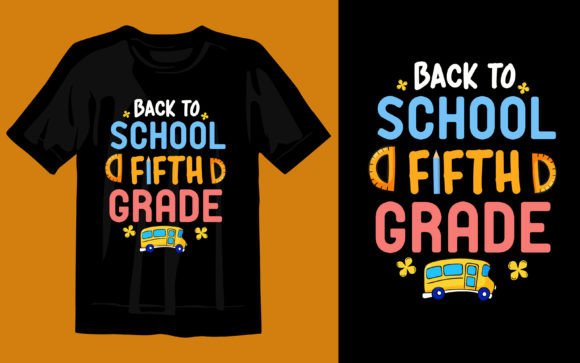
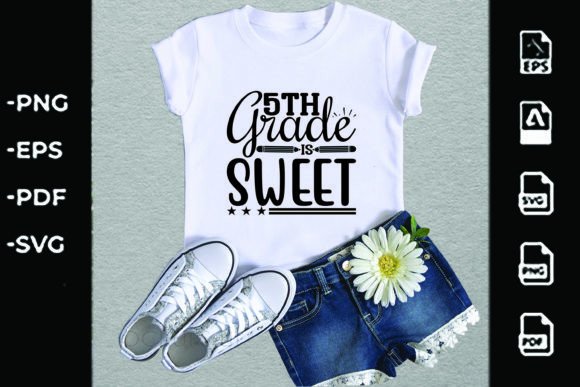
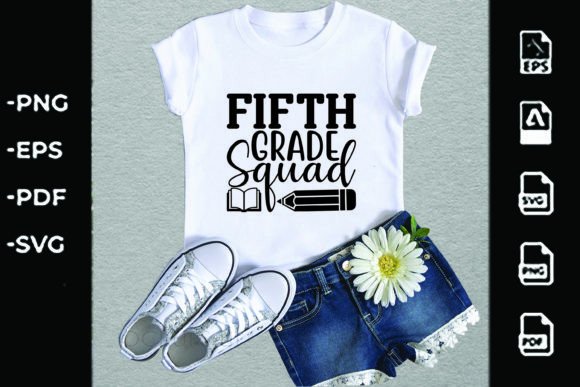
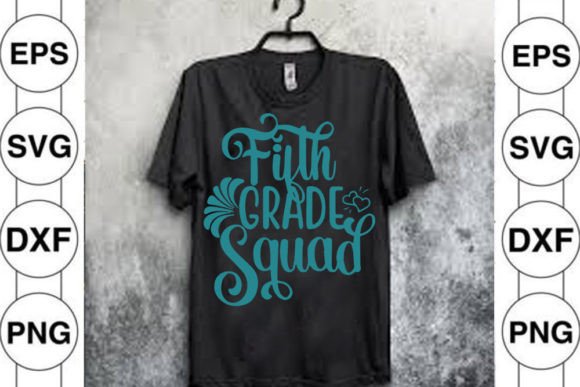
Opening this file set feels like unboxing a well-organized classroom supply kit—clean, purposeful, and instantly recognizable. Back to School, Svg Degain, Fourth Grade lands with cheerful energy but avoids cartoonish clutter. The layout balances playful typography (“Fourth Grade Squad”) with subtle school-themed accents—think a stylized pencil, open book, or tiny apple—not crammed in, but thoughtfully anchored. It’s not overly detailed, which is smart: this isn’t a portrait embroidery piece. It’s a T-Shirt Designs asset built for clarity at 3–4 inches wide, making it ideal for sweatshirt fronts, tote bag centers, or baby onesie chest placements.
How It Stitches in Real Life: From File to Finished Product
Last week, I stitched Back to School, Svg Degain, Fourth Grade onto a natural cotton canvas tote for a local teacher boutique. Used medium-weight cutaway stabilizer, 40-weight polyester thread, and a 5×7 hoop. The result? Crisp edges, legible lettering (no “g” or “y” bleed), and enough breathing room between elements to prevent stitch crowding. That tells me the digital embroidery file was digitized with intention—not just traced, but engineered for flow.
It shines on mid-weight fabrics: structured tees, brushed cotton sweatshirts, linen-blend aprons, and even quilted pillow covers. On a lightweight baby onesie? I’d scale down to 3.25" max and add tear-away + topping—especially around any satin-stitched outlines. The design doesn’t rely heavily on dense fill stitches, so it breathes well on garments meant for active kids. As an embroidered patch, it holds up beautifully when heat-applied to denim jackets or backpacks—just pre-test adhesion on your chosen backing.
Where It Fits—and Where It Needs Care
This isn’t a one-size-fits-all machine embroidery design. Its sweet spot is flat, stable surfaces: front-of-tote, left-chest tee, center-back sweatshirt. Avoid placing it across seams, curved cap fronts, or highly textured terrycloth towels unless you’re using heavy stabilizer and reducing density manually. Tiny details—like the dot over an “i” or fine line work in a pencil icon—can vanish on dark fabric without high-contrast thread or a light underlay. Always test on scrap first, especially if stitching on stretchy jersey or thin rayon blends.
For holiday embroidery or back-to-school gift bundles, pair it with simple coordinating motifs—a chalkboard border, minimal star, or monogrammed initial—rather than stacking multiple complex graphics. Overloading kills readability. And while it works for personalized gift projects, remember: the phrase “Fourth Grade Squad” carries age specificity. It resonates with parents of 9–10-year-olds—not preschoolers or middle schoolers—so align your product messaging accordingly.
What It Adds to Your Craft Business (and What It Doesn’t)
As an Etsy seller and small shop owner, I value designs that reinforce trust—not just through aesthetics, but execution. Back to School, Svg Degain, Fourth Grade delivers clean, consistent spacing and balanced weight distribution. That means fewer customer questions about “why does the ‘d’ look fuzzy?” and fewer re-stitches due to thread breaks in tight corners. It supports brand consistency: whether you’re selling embroidered lunchboxes or custom PTA volunteer shirts, this design reads as intentional—not clipart slapped on.
It won’t replace a full branding suite, though. Don’t expect layered color options or alternate fonts baked in. This is a focused Graphics asset—not a design system. Use it as a hero element, not a background filler. For printable mockups, it converts cleanly to PNG with transparent backgrounds, and the SVG version scales smoothly for digital previews. Just confirm licensing before bundling it into a commercial embroidery kit or reselling the files themselves.
Practical Notes Every Embroidery Designer Should Check
- Test on scrap fabric first—especially with your exact thread, stabilizer, and machine tension settings.
- Review stitch density: Look for areas where fill stitches might bunch on lightweight cotton or skip on fleece.
- Confirm hoop size compatibility: Does the largest version fit comfortably in your standard hoop with ½" margin?
- Inspect small details: Zoom in on letter terminals, curve junctions, and icon outlines—do they hold integrity at 3.5"?
- Try black-and-white mockups: Does contrast hold up on heather grey, navy, or charcoal?
- Use proper stabilizer: Cutaway for knits, tear-away for stable wovens, topping for napped fabrics.
- Check commercial use rights: If selling finished items, verify the license permits it. If selling digital products, confirm redistribution terms.
Final Thought: A Reliable, Human-Centered Design Asset
Back to School, Svg Degain, Fourth Grade isn’t flashy—but it’s dependable. It understands its role: to celebrate a milestone without overwhelming the garment or the maker. It respects the limits of home embroidery machines and the expectations of parents buying personalized back-to-school gear. When stitched on a soft organic cotton tee or a sturdy canvas tote, it feels handmade—not mass-produced. That quiet confidence is what turns a simple embroidery project into a meaningful finished product. For craft business owners building real inventory—not just digital wishlists—this is the kind of design assets that earns repeat customers and word-of-mouth referrals. Just remember: even great files need thoughtful execution. Test, tweak, and trust your eye—not just the preview.