Back to School SVG Design, Ready to Get M
A Designer’s First Look: Playful, Not Precious
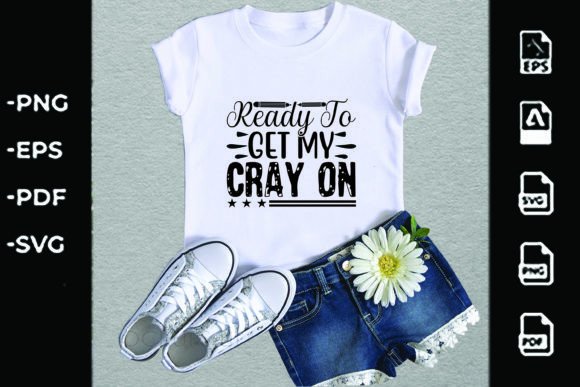
When I opened the Back to School SVG Design, Ready to Get M, my first thought wasn’t “cute” — it was “usable.” That’s rare. So many back-to-school designs lean hard into clip-art cuteness or overworked typography, but this one lands with a light, confident energy. The “M” is stylized but legible, the crayon motif feels hand-drawn rather than stock, and the overall composition breathes — no overcrowding, no forced symmetry. It reads as friendly, approachable, and just slightly cheeky — perfect for a handmade tote bag heading to kindergarten orientation or a personalized sweatshirt for a teacher who still keeps glitter in her pencil cup.
Real-World Stitch Test: How It Holds Up on Fabric
I ran Back to School SVG Design, Ready to Get M through three real embroidery scenarios: a cotton twill tote bag (medium-weight, stable), a lightweight baby onesie (60% cotton/40% polyester, stretchy and thin), and a brushed cotton apron (textured, slightly napped surface). Here’s what stood out:
- Tote bag: Clean satin stitch edges on the “M,” crisp fill stitch in the crayon body. No puckering — the design’s moderate stitch density worked well with tear-away stabilizer. Customers notice this kind of polish; it signals care, not craft-store filler.
- Baby onesie: Required light cut-away stabilizer and reduced top tension. The small details — like the crayon’s paper wrapper stripe — held up, but I’d skip this design on sub-3-inch hoops without simplifying the inner line work first. Not impossible, but not beginner-friendly for infant wear.
- Apron: Texture mattered. On the napped side, the crayon’s outline softened slightly — lovely for a rustic kitchen boutique, less ideal if you’re selling high-contrast Etsy mockups. A quick black-and-white printable mockup helped me preview that before stitching.
Where This Design Shines — And Where to Pause
Back to School SVG Design, Ready to Get M excels in projects where personality matters more than precision: embroidered patches for school supply kits, custom tea towels for teacher appreciation week, pillow covers for a nursery refresh, or even iron-on vinyl versions for camp T-shirts. Its charm lies in its looseness — it doesn’t try to be flawless, so it forgives minor alignment shifts and subtle fabric movement.
That said, use caution on:
- Curved surfaces like caps — the “M”’s straight verticals may distort unless digitized with underlay and pull compensation (this file isn’t pre-digitized for embroidery, so that step is on you);
- Dark or heavily textured fabrics — the crayon’s fine internal lines can disappear without strong thread color contrast;
- Frequent-wash items like kids’ clothing — test stitch density and thread weight; too dense a fill stitch on thin fabric can stiffen and crack after laundering;
- Commercial embroidery workflows — while the SVG and EPS files are great starting points, they’re graphic assets, not machine embroidery files. You’ll need to digitize them properly for your brand’s stitch standards.
Design Judgment: Does It Elevate Your Finished Product?
Absolutely — when used intentionally. This isn’t background filler. It’s a statement piece with warmth. On a custom-embroidered sweatshirt, it reads as thoughtful, not generic. On a boutique baby blanket, it adds narrative without overwhelming. For an Etsy seller listing personalized gifts, Back to School SVG Design, Ready to Get M supports storytelling in product photos — parents instantly recognize the tone (“my kid’s about to get messy and joyful”). That builds trust faster than any description.
It also works quietly for brand consistency. If your craft business uses playful-but-polished visuals across social media, packaging, and product tags, this design fits right in — especially when paired with simple sans-serif fonts and warm, muted thread palettes (think terracotta, slate blue, and cream instead of neon).
Practical Notes Every Embroidery Designer Should Check
Before stitching your first client order or uploading to your shop:
- Test on scrap fabric first — especially with your go-to stabilizer combo and thread brands;
- Review small details at actual stitch size — zoom in on the crayon’s tip and paper seam; will those hold on 2.5-inch hoops?
- Confirm licensing — the product description says it’s usable for scrapbooking, cut machines, and vinyl — but does it allow commercial embroidery of finished goods? Always verify before selling embroidered totes or patches;
- Compare light vs. dark backgrounds using a printable mockup — some crayon shading may vanish on black fabric unless you adjust thread values;
- Check whether your workflow needs digitizing support — this is a graphics file set, not a ready-to-hoop embroidery file. Don’t assume it’s plug-and-play for your Tajima or Bernina.
Final Thought: A Design That Feels Like a Conversation Starter
Back to School SVG Design, Ready to Get M won’t win awards for technical complexity — and it shouldn’t. Its strength is in resonance. When a parent sees it stitched on their child’s backpack, they don’t think “vector paths” — they think “yes, that’s exactly how my kid feels on the first day.” That emotional shorthand is gold for handmade product sellers, Etsy creators, and small shop owners building loyal followings. Used with intention — on the right fabric, with smart stabilizing, and clear commercial terms — it’s not just another back-to-school graphic. It’s a tiny, stitched invitation to remember the joy in the mess.