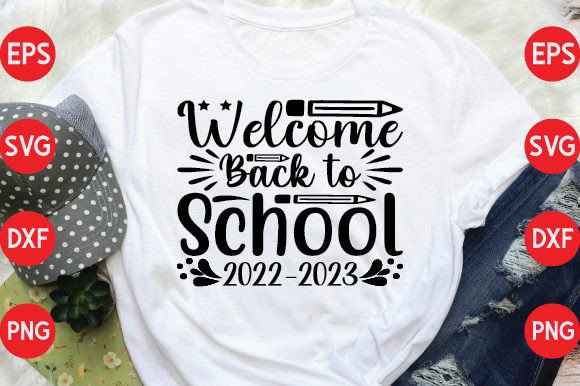
Welcome Back to School 2022-2023
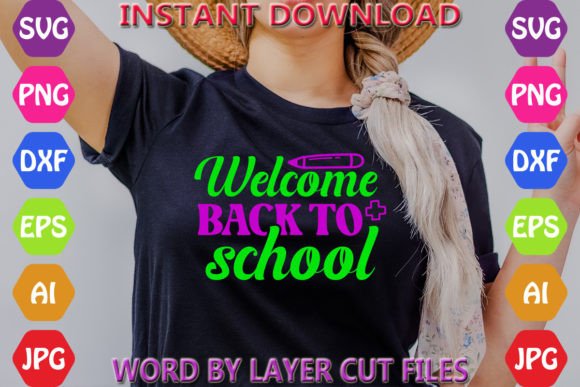
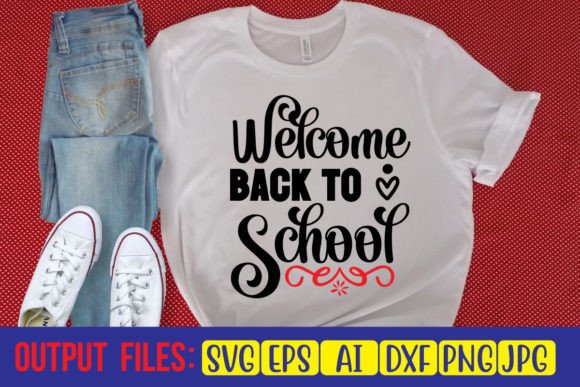
As a designer who’s stitched hundreds of school-themed projects—from kindergarten backpacks to teacher appreciation sweatshirts—I opened Welcome Back to School 2022-2023 expecting something cheerful but safe. What I found was more intentional than most seasonal graphics: a clean, balanced layout with breathing room, friendly typography, and subtle visual rhythm that translates well beyond screen preview. It doesn’t scream “back-to-school sale”—it feels like a quiet, confident welcome you’d actually embroider on a linen tote for a first-grade teacher or stitch onto a cotton apron for a homeschool co-op kitchen.
First Impressions: Mood, Shape, and Embroidery Readiness
The design leans into warmth without leaning too hard on clichés—no oversized apples or cartoon chalkboards here. Instead, it uses open letterforms, gentle curves, and strategic negative space. That matters. In embroidery, crowded lettering collapses; tight corners snag thread; dense fill stitches pucker thin fabric. Welcome Back to School 2022-2023 avoids those pitfalls by keeping stroke weight consistent and spacing generous—even in the “2022-2023” year marker. It reads clearly at 3.5 inches wide, which makes it ideal for chest embroidery on tees, left-chest placement on lightweight sweatshirts, or centered stitching on cotton tea towels.
A Real-World Test: Stitching It on a Canvas Tote Bag
Last week, I prepped a custom order: three canvas tote bags for a local tutoring center’s volunteer launch. I chose Welcome Back to School 2022-2023 because it scaled cleanly to 4.25 inches wide—large enough to read from across a classroom, small enough to avoid overwhelming the bag’s front panel. Using medium-weight cutaway stabilizer and 40-weight polyester thread, the satin-stitched outlines held crisp edges, and the fill areas stayed smooth—not stiff or bumpy. No re-hooping needed. Customers later told me the stitching looked “professionally finished,” not handmade-in-a-rush. That trust starts with smart design choices—and this one delivers.
Where It Shines (and Where to Pause)
Welcome Back to School 2022-2023 works especially well for:
- Custom apparel: Soft cotton tees, relaxed-fit sweatshirts, and unisex hoodies—especially when placed on the left chest or upper back.
- Embroidered patch applications: Its clean lines and moderate density make it stable for iron-on or sew-on patches on backpacks or denim jackets.
- Baby embroidery: On gauzy muslin blankets or organic cotton onesies—just reduce size to 2.75" and use tear-away stabilizer for breathability.
- Small shop products: Think boutique kitchen towels, linen pillow covers, or cork-backed notebooks—items where clarity and charm matter more than flash.
- Etsy listings and craft fair displays: Paired with a simple printable mockup, it reads as cohesive, thoughtful, and seasonally relevant—not dated or generic.
Use caution with:
- Stretchy fabrics like jersey knits—add adhesive stabilizer underneath and slow your machine speed to prevent distortion.
- Curved surfaces like structured caps—test fit in your hoop first; the horizontal layout may require slight vertical compression.
- Dark or textured fabrics—run a black-and-white mockup to confirm legibility, and consider adding a white underlay stitch if thread contrast fades.
- Frequent-wash items like baby bibs or kids’ lunch bags—verify stitch density isn’t so high it’ll stiffen after repeated laundering.
Design Integrity Meets Customer Perception
What customers notice isn’t just “a school design”—they notice whether it feels handmade *with care*. Welcome Back to School 2022-2023 supports that impression because its proportions are balanced, its kerning is even, and its visual weight doesn’t tip toward clutter. That builds trust: a parent buying a personalized backpack sees craftsmanship, not clip art. A boutique owner stocking embroidered tea towels knows it aligns with their brand’s quiet, quality-first aesthetic. Even on digital listings, this design holds up in thumbnail view—no tiny details lost, no awkward cropping needed.
Practical Designer Notes Before You Stitch
Before committing to a full run—or listing it as part of your craft business inventory—do these five things:
- Test on scrap fabric that matches your final project’s weight and stretch. Note how satin stitch edges behave and whether fill areas shift.
- Check thread color contrast on both light and dark backgrounds—you’ll likely want deeper navy or charcoal for readability on heather grey tees.
- Review stitch density in your embroidery software. If fill areas look overly dense, adjust underlay or reduce density by 5–8% for softer drape.
- Confirm hoop size compatibility. Since this is delivered as a digital embroidery file in a ZIP folder for Cricut Design Space, Silhouette Studio, and other cutting software, verify your machine’s max hoop dimensions before scaling.
- Inspect licensing terms—especially if you plan to sell finished products commercially or resell the design as part of a bundle. This is a T-Shirt Designs category graphic, but usage rights aren’t implied by format alone.
Final Thought: A Design That Supports Your Process, Not Just Your Product
Welcome Back to School 2022-2023 isn’t flashy—but it’s reliable. It doesn’t demand special techniques, expensive stabilizers, or multiple test runs. It respects your time, your machine, and your customer’s expectations. Whether you’re an Etsy seller batching 20 personalized totes, a small shop owner refreshing holiday inventory, or a hobbyist stitching gifts for your child’s classroom, this design fits quietly into your workflow—and elevates the finished product without drawing attention to itself. That’s the mark of good embroidery design: it serves the story, not the software.