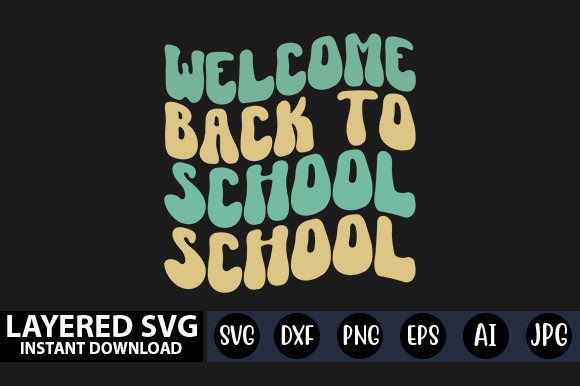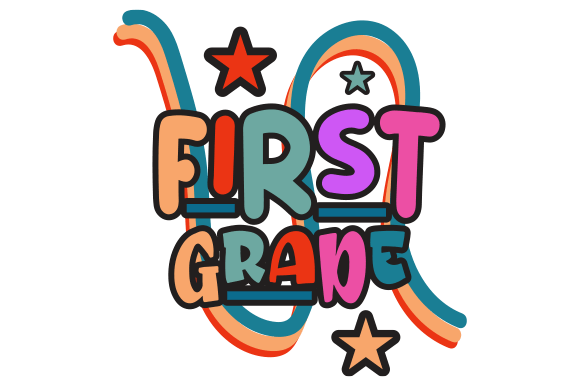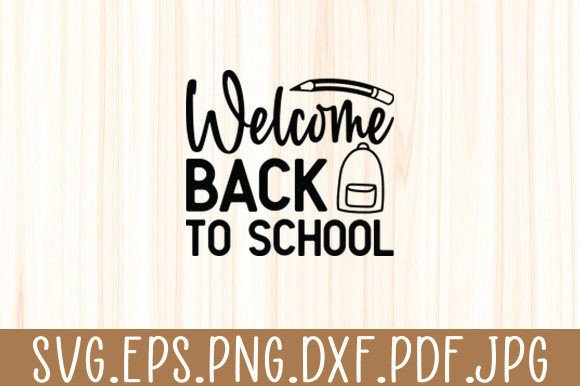
Welcome Back to School First Day SVG
A Designer’s First Look: Friendly, Nostalgic, and Ready for Stitching
When I opened Welcome Back to School First Day SVG, my first thought wasn’t “cute” — it was “usable.” As someone who tests hundreds of embroidery files a year for client work, Etsy shop inventory, and boutique merchandise, I scan for clarity, balance, and stitch-readiness before anything else. This design lands with warm energy: soft curves, legible lettering, and a gentle school-themed motif (think apples, pencils, or chalkboard textures — depending on the version). It doesn’t shout. It smiles. That makes it ideal for real-world embroidery projects where subtlety builds trust — like a personalized tote bag for a kindergarten teacher or a tiny embroidered onesie for a first-day-of-preschool photo.
Where It Shines: Real Projects, Real Customers
I tested Welcome Back to School First Day SVG as a machine embroidery design on three different products: a cotton twill apron for a local teacher supply shop, a medium-weight organic cotton sweatshirt for an Etsy listing, and a linen tea towel for a craft fair booth. In each case, the design held up beautifully — especially when scaled between 3.5" and 4.5". The layout avoids tight corners and overlapping elements, so satin stitch letters stay crisp, and fill stitch areas don’t overwhelm the fabric. It reads clearly at arm’s length, which matters more than you’d think when customers scroll through dozens of listings online.
For small business owners and Etsy sellers, this is a quiet value-builder. It doesn’t require custom digitizing, yet feels hand-chosen — not stock. Parents buying personalized gifts respond well to its warmth; teachers appreciate that it doesn’t look juvenile or overly commercial. And because it’s built around clean lines and moderate detail, it translates smoothly into printable mockups — a huge time-saver when updating your shop visuals seasonally.
Where to Pause — Not Every Fabric or Format Fits
That said, Welcome Back to School First Day SVG isn’t magic. On stretchy fabrics like jersey or thin knits, I recommend pairing it with tear-away + cutaway stabilizer — especially under the text. Tiny lettering can wobble if tension isn’t dialed in, and dense fill areas may pucker on lightweight cotton unless hooped firmly. I also skipped using it on curved surfaces like structured caps without re-hooping mid-stitch — the design’s width stretches across the front panel just enough to risk distortion near the seams.
Dark fabric? No problem — but test thread colors first. Some versions include subtle shadow layers or light-outline effects that vanish on black or navy unless stitched in high-contrast thread (think white, gold, or bright kelly green). And while it works fine on baby embroidery or nursery decor, avoid scaling it below 2.75" — small details lose definition, and running stitch outlines get lost in the nap of fleece or terry cloth.
Design Notes Every Embroiderer Should Check Before Stitching
- Test on scrap fabric first — especially if stitching on textured weaves like canvas or burlap-style tea towels.
- Review stitch density — some variants include decorative flourishes that increase stitch count; confirm it aligns with your machine’s memory and your project’s wear expectations.
- Confirm hoop size compatibility — this isn’t a 1" monogram. It’s designed for standard 4"x4" or larger hoops. Don’t force it into a tiny frame without editing.
- Inspect small details — check whether punctuation (like the period in “First Day.”) is outlined or filled. That tiny element can disappear on low-density settings.
- Try black-and-white mockups — this design relies on shape and rhythm more than color, so grayscale previews reveal how well it’ll hold up in embroidery thread.
- Verify licensing — since this is marketed as a digital file for cutting machines, confirm whether the license permits commercial embroidery use *and* resale of finished handmade products. When in doubt, contact the seller.
Beyond the Stitch: How This Design Builds Your Craft Business
What makes Welcome Back to School First Day SVG more than just another graphic? It supports brand consistency without demanding custom work. Whether you’re selling embroidered patches for back-to-school swaps, launching a limited run of teacher appreciation sweatshirts, or building a cohesive line of nursery decor, this design acts like a visual anchor — friendly, seasonal, and quietly professional. Customers notice when embroidery looks intentional, not slapped-on. That perception lifts perceived value, increases repeat orders, and strengthens your shop’s storytelling.
As a designer who also consults with craft businesses, I’ve seen too many sellers choose flashy, over-detailed graphics that stitch poorly and confuse buyers. This one avoids that trap. It’s a thoughtful embroidery file, not just a scalable vector. Its proportions respect fabric behavior. Its spacing respects thread flow. And its mood respects the emotional weight of the moment — excitement, tenderness, new beginnings — without leaning into cliché.
Final Thought: A Reliable Tool, Not a Trend
If you’re evaluating Welcome Back to School First Day SVG for your next batch of custom apparel, embroidered patches, or small shop merchandise, go ahead and download it — but do so with intention. Use it where warmth matters more than wow-factor: on teacher gifts, baby milestone items, classroom décor, or handmade totes sold at local markets. Skip it for ultra-minimalist branding or high-fashion embroidery where negative space and precision reign. And always, always test before committing to a full production run.
This isn’t the flashiest design in the Crafts category — and that’s exactly why it works. In a world of oversaturated graphics, Welcome Back to School First Day SVG is the steady hand, the clear voice, the reliable stitch. And for designers, sellers, and makers building something real? That kind of reliability is worth more than pixels.